



#News #Latest #trending #india

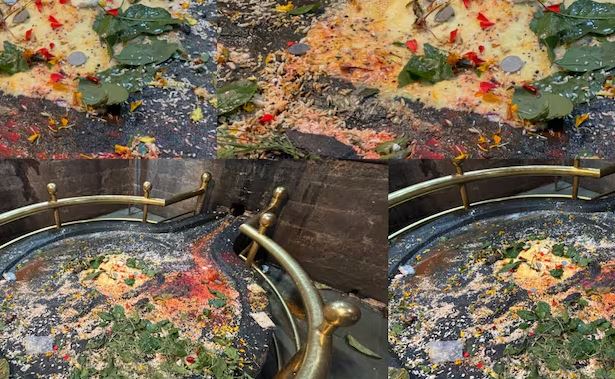
Bageshwar: Baba Bagnath temple of Bageshwar, Uttarakhand is known in the entire state for its religious beliefs and mythological traditions. After Makar Sankranti in the month of Magh, a thick cover of pure desi ghee is offered on the Shivalinga of Lord Shiva, which is called “Ghee Cave” by the local people. This tradition is not only associated with religious faith, but it also has medicinal benefits.
Pandit Hem Chandra Pathak of the temple tells that in the severe cold of the month of Magh, Lord Shiva goes into hibernation and remains engrossed in rigorous penance. For this reason, Shivlinga is covered with pure ghee to protect it from cold. With time, this ghee thickens and takes the form of a cave around the Shivalinga, which is also called “Ghrit Kamal”. By staying on Shivalinga during this period of one month, this ghee absorbs the divine energy of Lord Shiva.
Prasad is given to devotees
This tradition is centuries old. Every year the offering of ghee starts after Makar Sankranti and this ghee cave is removed ritually around the beginning of Phalgun month i.e. around Mahashivratri. After this, this ghee is given as Prasad to the devotees coming to the temple. However, this Prasad is completely different from normal Prasad.
It is neither given to eat nor is it used to light a lamp. According to mythological belief, this ghee is used only for applying on the body. This ghee is very beneficial in skin diseases like itching, ringworm, boils and other skin problems. Applying it on the affected area provides relief from the disease.
A panacea for these problems
Apart from this, this ghee is also considered a panacea for headache, migraine and other head related problems. Devotees apply it gently as a paste on the head or body. This tradition of Baba Bagnath temple is still alive. Where the beliefs of religion and traditional medicine are seen together. If you also want to take this ghee to your home, you can contact the temple committee at the beginning of the month of Phalgun. Can be obtained from the house of Nandan Rawal, Chairman of the Temple Committee.