



#News #Latest #trending #india

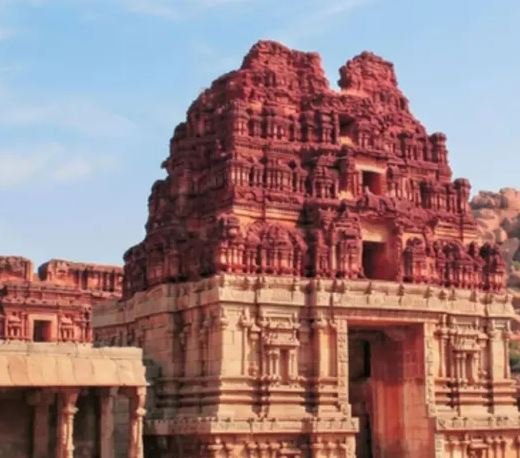
There is such an ancient temple in Hampi in Karnataka, in which every stone has a mystery hidden. The deep influence of faith and Vijayanagara style is visible on the structure of the temple and the architecture of the pillars. Chinese and Egyptian art can also be seen on the walls of the temple. We are talking about the Sri Achyutarai Swamy Temple built in Vijayanagar, Hampi, Karnataka, where worship is no longer held. The history of this temple is very old and many things worth seeing are found here. This temple is not only historical but it also shows huge architectural craftsmanship. Let us know the special things about this temple…
Architectural style gives the best look to the temples
Sri Achyutarai Swamy Temple is known for its history and architecture. The temple is situated amidst the Matang hills, where the surrounding population is very less. This magnificent temple shows the Vijayanagara architectural style of temples at its best and finest. It was one of the last magnificent temples that were built in the famous city of Hampi before the fall of the Vijayanagara Empire. It is said that the temple was built in 1534 AD and with the changing times, today a glimpse of different centuries can be seen in the temple.
Only Hindu Gods and Goddesses on the pillars
This temple is famous for its big gopuram and huge complex. The temple is built with the construction of many pillars. There are not only statues of Hindu gods and goddesses on the pillars, but there is also evidence of traders from China and Egypt coming to Hampi. There are some trade marks or artworks on the pillars of the temple. This temple is dedicated to the Thiruvengalnath form of Lord Vishnu. There are idols of other gods and goddesses in the temple as well, but Lord Vishnu was worshiped as the original deity for a long time.
Worship in the temple also stopped
Today this temple has become in ruins due to lack of maintenance and worship in the temple is also stopped. The temple has been linked to Ramayana characters Sugriva and Bali. It is believed that to escape the wrath of his brother Bali, Sugriva took refuge in the Matang hills and it was here that he met Hanuman and Lakshman. In the Puranas, this area has also been called Kishkindha, which was the area of monkeys. Bali was prohibited from coming to this area, due to which Sugriva took refuge in the Matang hills.