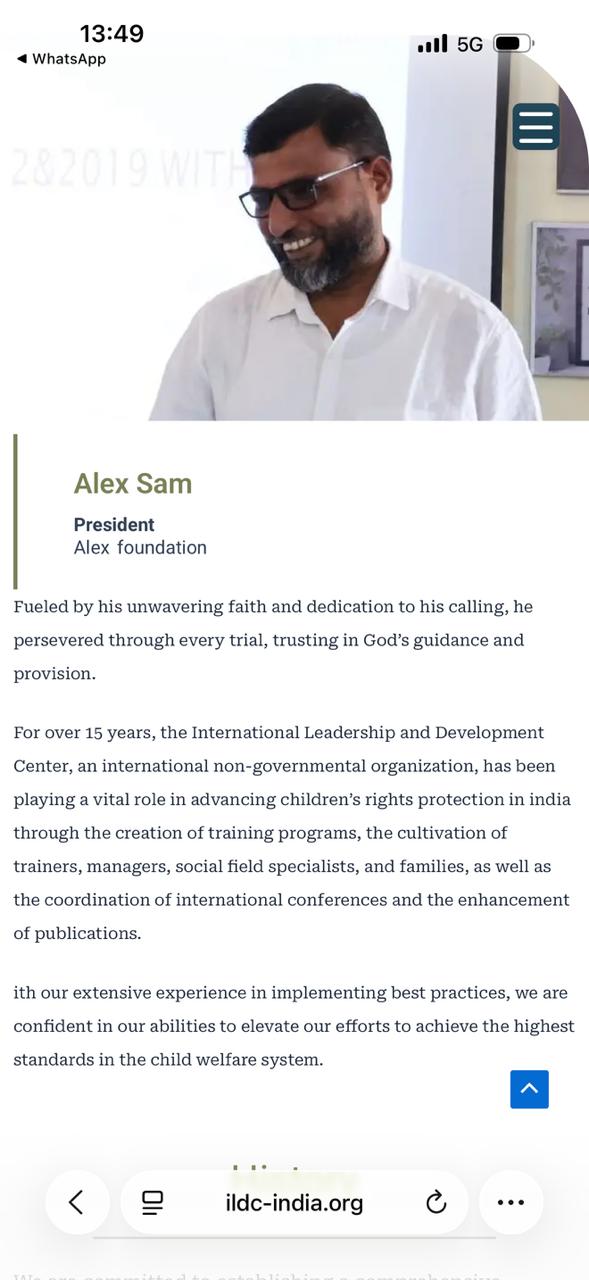


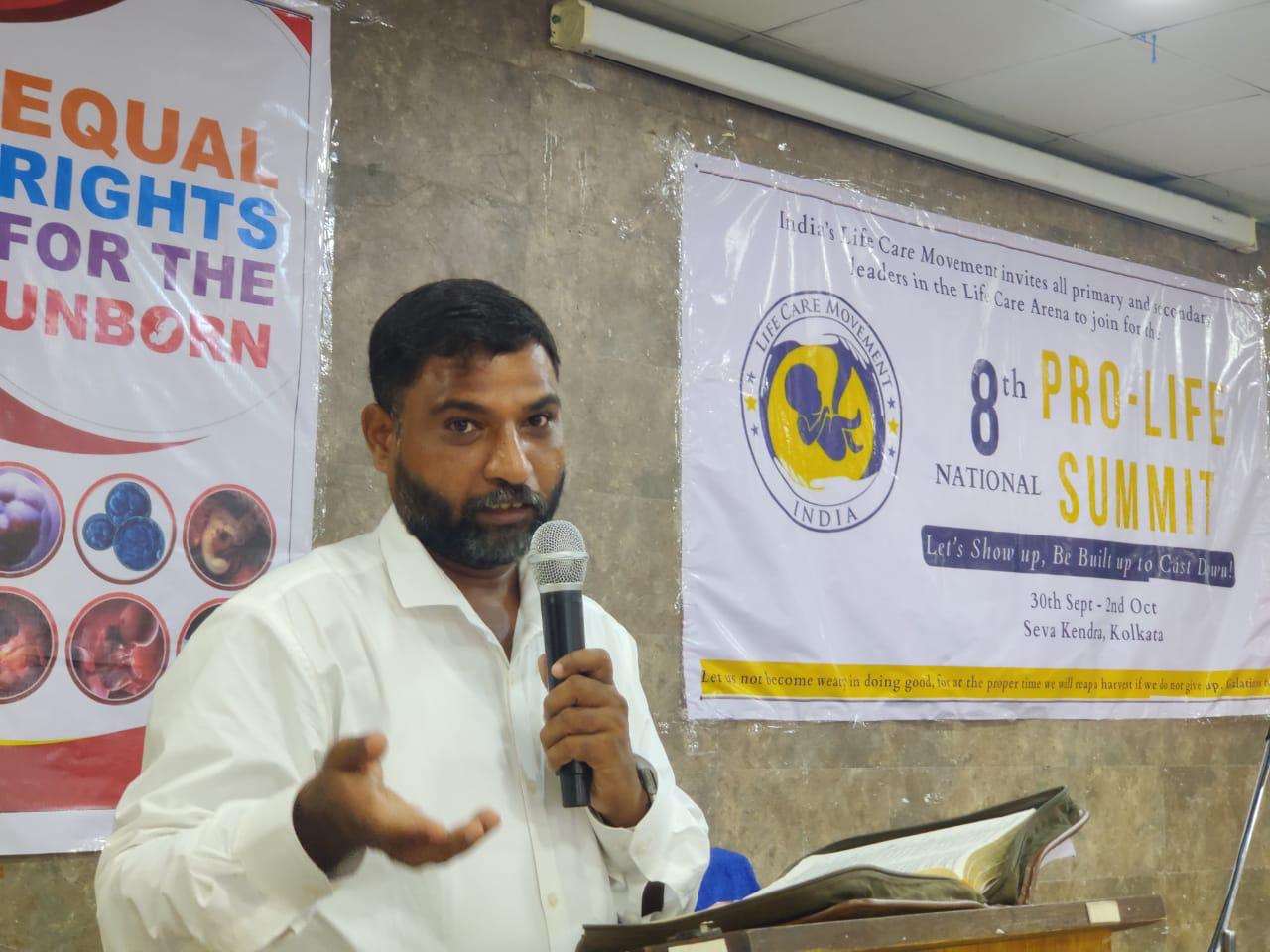

Published in the internationally peer-reviewed TPM journal, this new study explores the developmental differences between children raised in orphanages, foster care, and traditional families. Led by Mr. Alex Sam and a diverse academic team, the research evaluates emotional attachment, resilience, and identity formation. Findings suggest that while institutional systems provide structural stability, family-based care often ensures deeper emotional bonding and long-term psychological security. The study emphasizes the need for evidence-based reforms in child welfare systems to support vulnerable children more effectively.

India | February 2026 — A significant interdisciplinary research paper titled “Orphan Care Versus Family Care: An Ideological Study on Children in Orphanages and Foster Care vs Children in Families” has been published in the internationally peer-reviewed journal TPM – Testing, Psychometrics, Methodology in Applied Psychology.
Authored by Scholar Mr. Alex Sam along with distinguished diverse team of scholars — Dr. Rejoice Solomon, Dr. Lydia R. Conger, Dr. Shambu Kumar Yadav, and Dr. Sweety Marandi — this research offers a comprehensive exploration of the cultural, social, and psychological narratives surrounding children who grow up in orphanages and foster care systems, in comparison to those raised within traditional family environments. The study critically examines how caregiving structures shape emotional development, identity formation, social integration, and long-term well-being, while also analyzing the broader societal perceptions that influence child welfare policies and practices.
The study integrates literary analysis, sociological theory, and psychological research to critically evaluate how society perceives orphanhood. By examining emotional attachment, identity formation, resilience, and social belonging, the researchers provide a nuanced understanding of caregiving systems and their long-term developmental implications.
Drawing insights from globally recognized literary works such as Oliver Twist, Jane Eyre, Adventures of Huckleberry Finn, and Harry Potter, the paper explores how fictional portrayals of orphaned children have influenced public attitudes and policy frameworks over time.
Key findings suggest that while institutional systems provide structural support, family-based care environments often offer stronger emotional stability and attachment security. The authors emphasize the importance of evidence-based reforms in child welfare systems to ensure holistic development for vulnerable children.
The full research paper is available through the TPM journal platform for academic and public access.
For interviews, collaborations, or further information, please contact:
Alex Sam
📧 alexpakur@gmail.com