



Introduction
Autism is a neurological developmental condition in which individuals process information, communicate, and experience the world in a different way. It is important to understand that autism is not a disease, but a natural variation in human development. Children on the autism spectrum often learn at their own pace, which may be slower compared to typical developmental timelines. However, with consistent support, understanding, love, and patience, they can achieve meaningful growth and reach their full potential.
Understanding Autism
Autism can be described as a unique and slow-paced learning system rather than a limitation. Each child with autism experiences the world differently, and their learning patterns reflect this diversity.
Common characteristics may include:
A slower pace in understanding and processing new information
A strong preference for routine, structure, and predictability
Challenges in verbal and non-verbal communication
Deep focus or interest in specific areas such as music, art, numbers, or puzzles
These traits should not be viewed as weaknesses. Instead, they highlight the need for an individualized and patient-centered approach to learning and development.
The Role of Love and Care
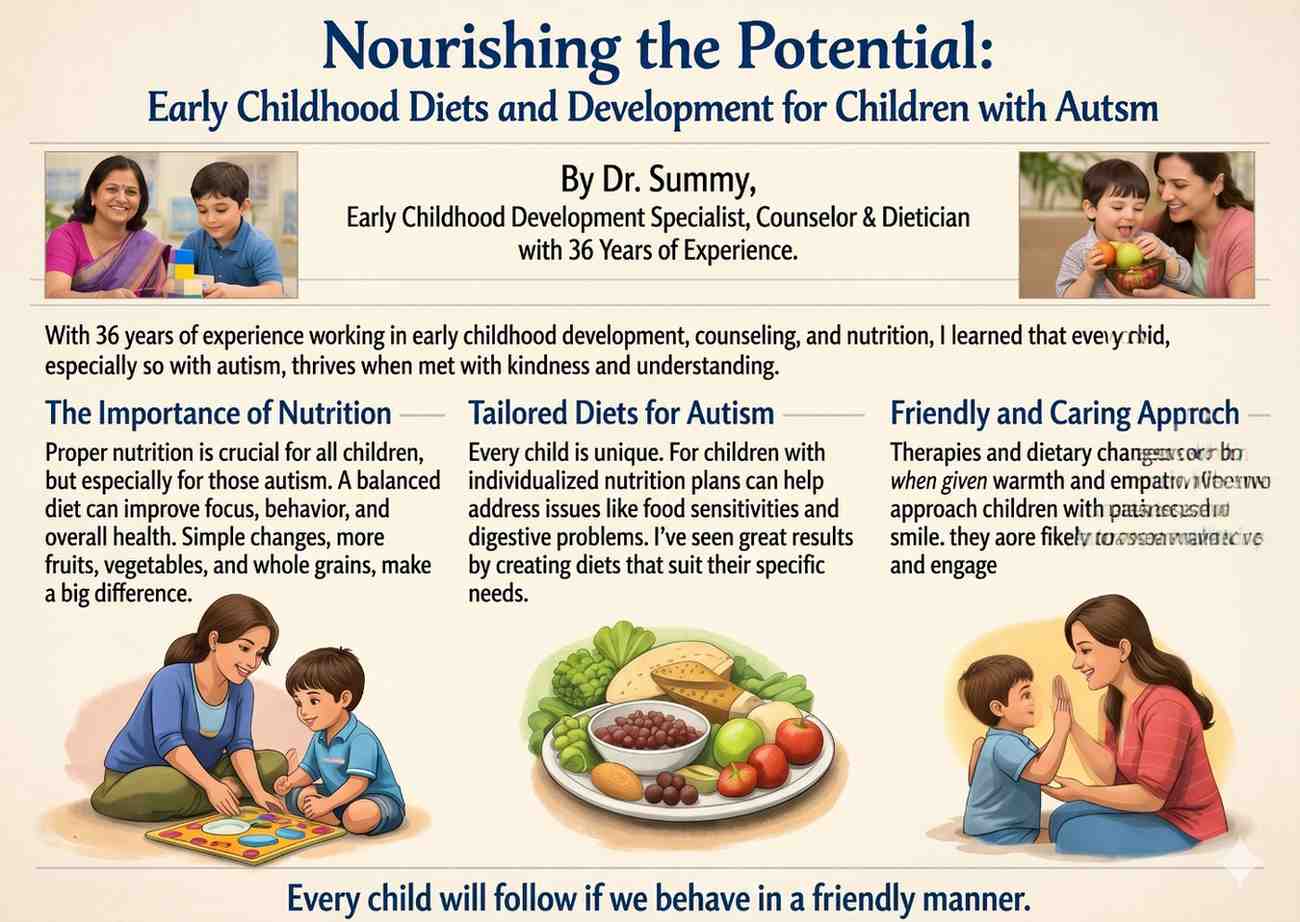
Emotional support plays a crucial role in the development of children with autism. Compassion, consistency, and understanding often serve as the foundation for effective learning and progress.
“Kindly share the patient details, if required, via WhatsApp at 9437164832.”
Key elements include:
Trust through affection: A loving environment helps children feel safe and more open to interaction and learning.
Patience in learning: Repetition and gentle guidance support better understanding and retention.
Encouragement through positive reinforcement: Recognizing small achievements builds confidence and motivation.
Active family involvement: Parents and caregivers play a vital role in creating a stable and supportive learning environment.
When children feel emotionally secure, their ability to learn and adapt improves significantly.
Nutrition and Lifestyle Support
Along with emotional and educational support, nutrition and lifestyle habits also contribute to the overall well-being of children with autism.
Important factors include:
Omega-3 fatty acids: Support brain development and cognitive function
Balanced dietary choices: Some children benefit from gluten-free or casein-free diets under professional guidance
Fresh and natural foods: Fruits, vegetables, and whole grains help maintain energy and focus
Proper sleep and physical activity: Improve attention span, behavior regulation, and emotional stability
A healthy routine complements therapeutic interventions and supports overall development.
Conclusion
Autism is not a limitation but a different way of learning that requires understanding, patience, and compassion. Every child has unique strengths that can be nurtured with the right environment and support system.
Love and care remain the most powerful foundations for growth. When children with autism are supported with empathy and consistency, they can overcome challenges, build confidence, and achieve meaningful progress in life.