



#News #Latest #trending #india

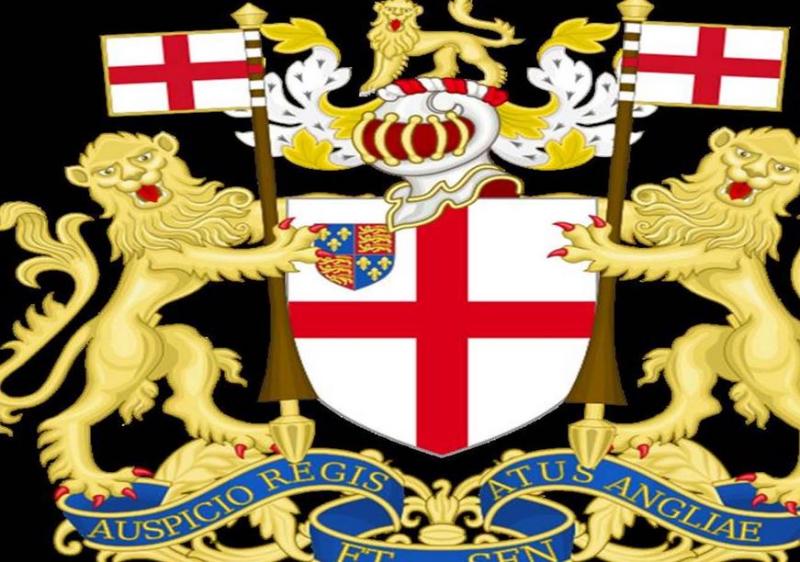
London. The East India Company, which once decided the fate of Asia and especially India, has once again been reduced to the pages of history. This time it ends not in the fall of an empire, but in the bankruptcy of a luxury retail business in London.
Let us tell you that the original East India Company, which had become inactive about 152 years ago, was revived in 2010 by Indian-origin British businessman Sanjeev Mehta by purchasing the rights to its name. At the time it was seen as a symbolic counterattack on colonial history. It made headlines in media around the world that the company that ruled India was now owned by an Indian.
Now this modern company has also ended. According to the report, East India Company Limited has appointed liquidators in October 2025. The company owed more than six million pounds to its parent group, which was registered in the British Virgin Islands. Apart from this, huge amount of tax dues and salaries of employees were also outstanding. Its magnificent store at 97 New Bond Street in Mayfair, London is now said to be vacant and available for rent. The company’s website has also been closed. Other companies associated with it, whose names included the word East India, have also been dissolved.
It was placed in the same category as Britain’s famous store Fortnum & Mason. Sanjeev Mehta had called it an attempt to give a positive identity to the colonial symbol. In an interview given in 2017, he said that the historical company was built on aggression, but today’s company is driven by a spirit of compassion and cooperation. Yet this experiment could not last long amid business challenges and financial pressures. Thus, this second demise of the East India Company has also been recorded in history.
Let us tell you that the original East India Company was established on 31 December 1600 under the royal charter of Queen Elizabeth-1. It was built to trade spices and other goods with eastern countries, especially India and South East Asia. It was one of the world’s earliest joint-stock companies, in which investors shared in both profits and risks by purchasing shares. In 1612-13 it established its first trading post in Surat. Gradually it got a monopoly on British trade east of the Cape of Good Hope.
By the 18th century, this company had become a business institution as well as a political power. He built forts, entered into treaties with local rulers and fought wars with rival European powers and Indian states. After the Battle of Plassey in 1757, she established control over Bengal and started collecting taxes, running the justice system and administration. It controlled a large share of the global trade in products such as spices, cotton, silk, tea and indigo.
The rule of the East India Company is remembered for widespread exploitation and oppression. Forced cultivation of cash crops, harsh tax regimes and export policies made famine even worse in many areas. Lakhs of people lost their lives in the Bengal famine. The Mutiny of 1857, also known as the Sepoy Mutiny, marked the beginning of the end of Company rule. In 1858, the British government took direct control and the British Raj was established in India. In 1874, the British Parliament completely dissolved the East India Company.